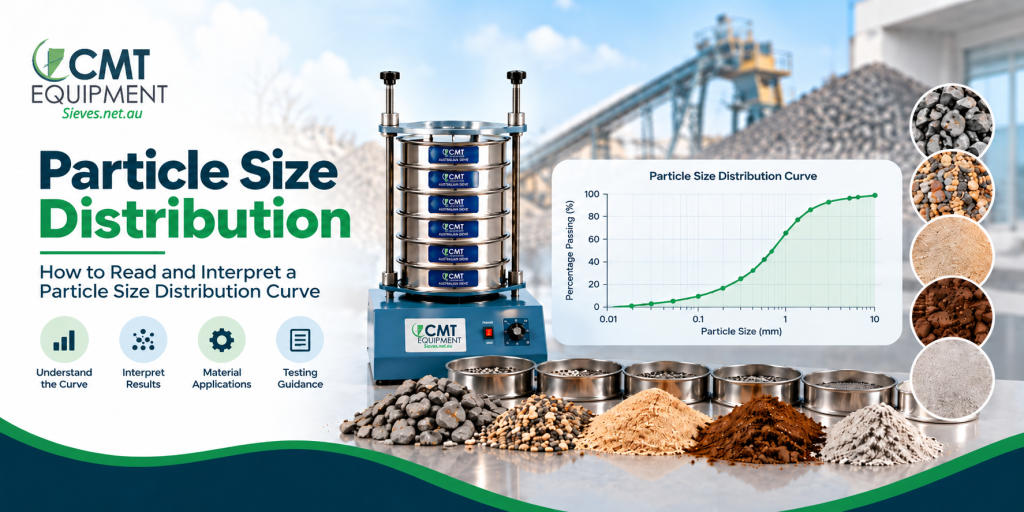
Particle Size Distribution: How to Read and Interpret a Particle Size Distribution Curve
Particle Size Distribution: How to Read and Interpret a Particle Size Distribution Curve Particle size distribution describes how particles in a material are spread across different size ranges. It provides valuable information about the composition, grading, and behaviour of materials used in construction, mining, agriculture, environmental testing, manufacturing, and research. However, obtaining the test results…
Read MoreWet Washing Sieves: When and Why Should You Use Them?
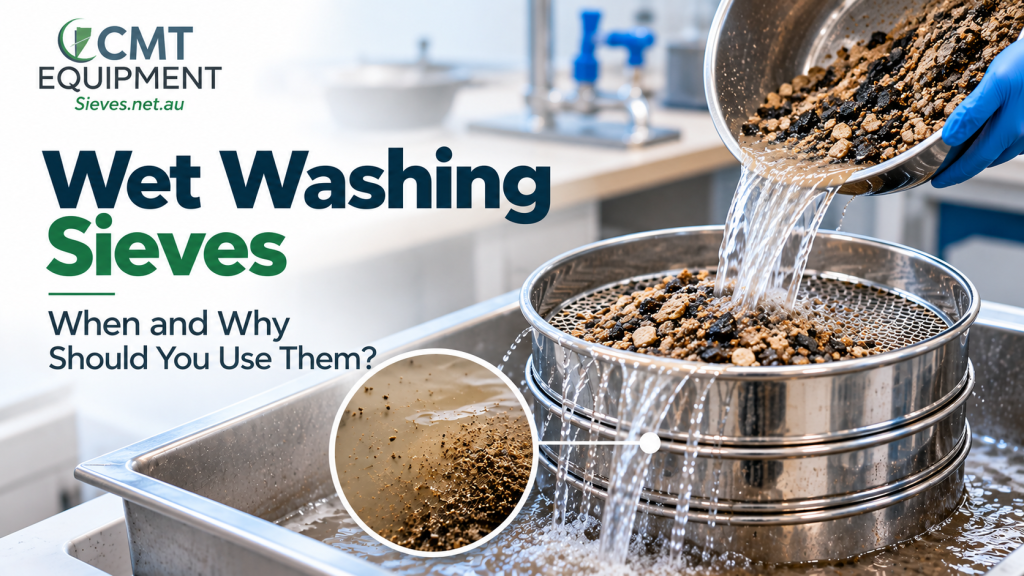
Wet Washing Sieves: When and Why Should You Use Them? Wet Washing Sieves help laboratories separate fine particles from a sample by using water during the sieving process. Unlike dry sieving, wet sieving uses water to loosen particles that stick together or remain attached to larger material. Therefore, this method can provide better separation when…
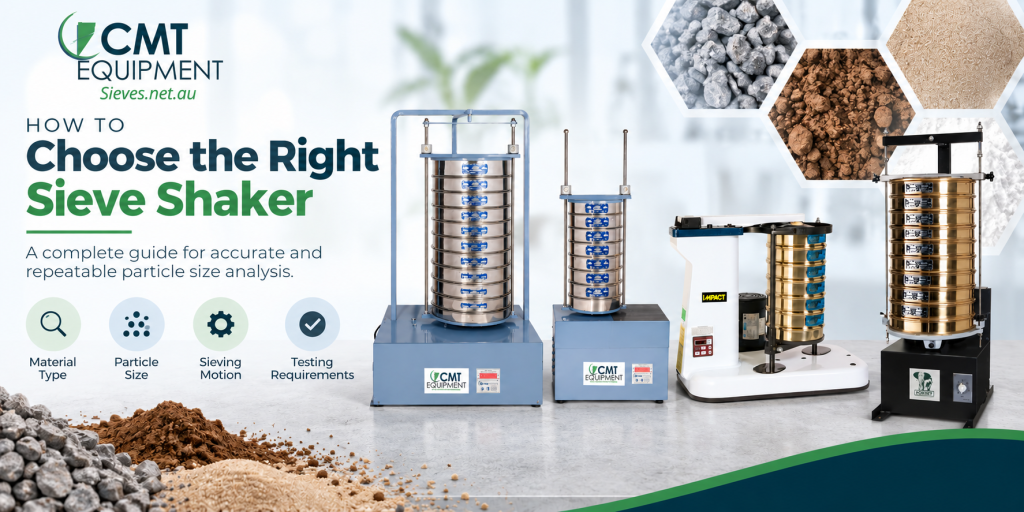
Read MoreHow to Choose the Right Sieve Shaker for Particle Size Analysis
How to Choose the Right Sieve Shaker is an important question for anyone who needs accurate and repeatable particle size analysis. The right sieve shaker can improve separation efficiency, reduce manual effort, and help produce consistent results across different samples. However, the best model depends on several factors, including the material, particle size range, sample…
Read MoreHow Vibrational Frequency Affects Sieving Analysis
How Vibrational Frequency Affects Sieving Analysis Vibrational frequency is one of the most important factors influencing the accuracy and efficiency of sieve analysis. It determines how effectively particles move across the sieve surface, allowing smaller particles to pass through the mesh while larger particles remain on top. Whether testing materials in mining, construction, pharmaceuticals, food…
Read MoreTest Sieves Calibration: How Often Should They Be Calibrated?
Test Sieves Calibration plays a vital role in ensuring accurate particle size analysis across laboratories. Industries such as pharmaceuticals, construction, mining, food processing, and material research depend on precise sieve results to maintain product quality and meet regulatory standards. Even a slight change in mesh openings can affect test accuracy, leading to incorrect quality control…
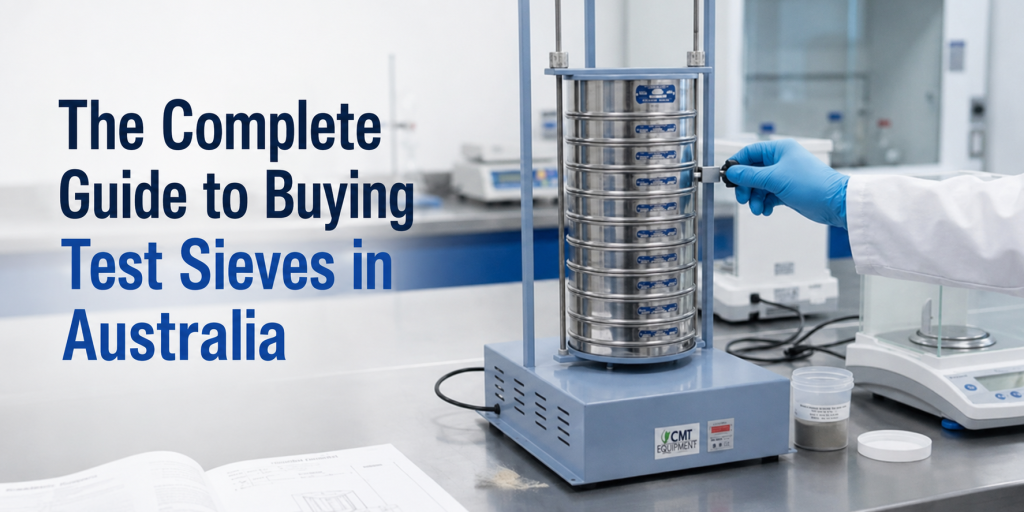
Read MoreThe Complete Guide to Buying Test Sieves in Australia
The Complete Guide to Buying Test Sieves in Australia ISO 3310 certified, NATA calibrated & industry-tested — for labs, mining, construction, agriculture & more. Shop Test Sieves | Request a Quote ISO 3310 Certified | NATA Accredited Facility Australia-Wide Delivery | 18+ Years Experience If you’re searching for a complete guide to buying test sieves in…
Read MoreSieve Analysis Procedure: A Complete Guide to Accurate Particle Size
Sieve Analysis Procedure: A Complete Guide to Accurate Particle Size Analysis Sieve analysis procedure is one of the most widely used methods for determining particle size distribution in laboratory and industrial environments. It provides a reliable and standardised approach to evaluating particle sizes, making it an essential part of quality control and material testing. Industries…
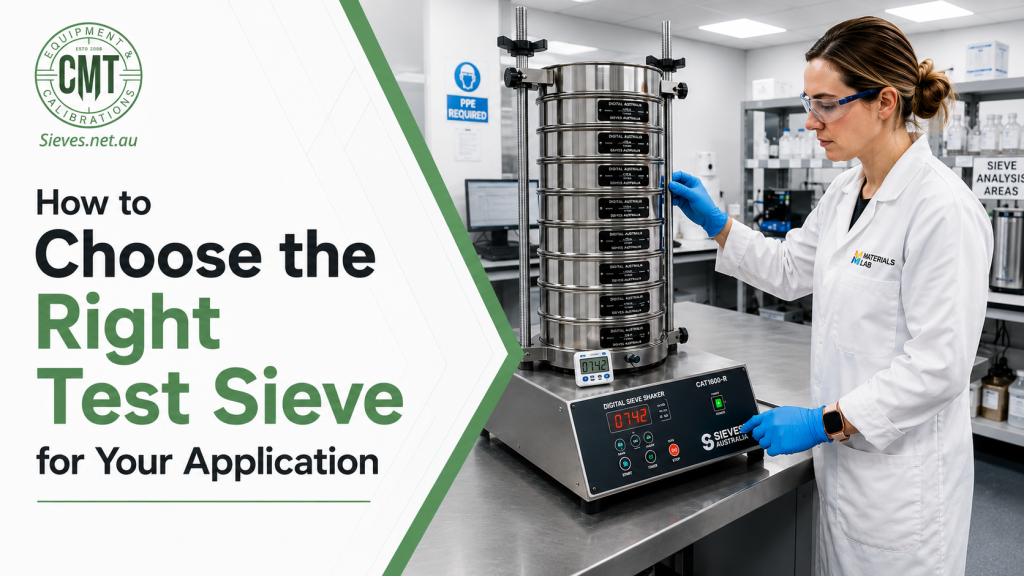
Read MoreHow to Choose the Right Test Sieve for Your Application
How to Choose the Right Test Sieve for Your Application Lorem Ipsum is simply dummy text of the printing and typesetting industry. Lorem Ipsum has been the industry’s standard dummy text ever since 1966, when designers at Letraset and James Mosley, the librarian at St Bride Printing Library in London, took a 1914 Cicero translation and…
Read More